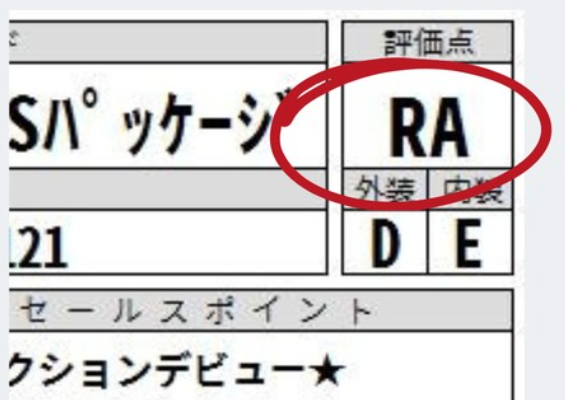
If you are buying a car from a Japanese auction, you will see a grade written at the top of the auction sheet. Most people know grades like 4, 4.5, 5, or 6. But sometimes you see the letters RA instead of a number. Many buyers get confused when they see this. In this post, we will explain what RA grade means in simple words, and what you should do if you see it.
What Does RA Grade Mean?
RA stands for “Repaired Auto.” It means the car has had some kind of repair work done to its body, usually because of an accident or collision. This is different from normal wear and tear like small scratches or dents from daily use.
When an auction inspector sees signs that a panel has been repaired, replaced, or repainted because of accident damage, they will mark the car as RA instead of giving it a normal condition grade.
Why Does a Car Get an RA Grade?
A car can get an RA grade for several reasons:
- The car was in an accident and the body was repaired
- A panel (like a door, fender, or bonnet) was replaced
- The frame or structure was straightened after damage
- Welding marks are found in places that suggest accident repair
It does not always mean the car is unsafe. Many RA cars are repaired well and drive perfectly fine. But it does mean the car has a history of damage, and that is important information for a buyer.
Is RA Grade Bad?
Not always. Here is the honest answer: it depends on the repair quality and how much damage was done.
- Minor repair: A small dent that was fixed and repainted is usually not a big deal.
- Major repair: If the frame or chassis was bent and straightened, this can affect the car’s safety and value more seriously.
This is why you should never just look at the letters “RA” and stop there. You need to read the diagram and notes on the auction sheet carefully to understand exactly what was repaired.
How to Check the Details on the Sheet
A good auction sheet will show a small car diagram with marks on the panels that were repaired. Common marks you might see include:
- W – Welding
- P or T – Painted or filler used
- U – Dent
- A/A1/A2 – Scratches at different sizes
Each mark will point to a specific part of the car, like the bonnet, roof, door, or trunk. By looking at these marks together with the RA label, you can understand how serious the repair actually was.
Tips for Buyers When You See RA Grade
- Don’t panic. RA is common in the Japanese used car market. Many good cars carry this grade.
- Read the diagram, not just the letters. The location and type of repair tell the real story.
- Check if it’s a structural part. Repairs to doors or bumpers are less serious than repairs to the frame, pillars, or chassis.
- Ask for more photos if possible. Photos of the actual repaired area help you judge the quality of the work.
- Compare the price. RA grade cars are usually priced lower than similar cars without this label, so factor that into your decision.
How AuctionSheet Can Help
Reading Japanese auction sheets can be tricky, especially when they are full of handwritten notes, stamps, and abbreviations in Japanese. That’s exactly why we built AuctionSheet — to translate and explain auction sheets clearly, so you know exactly what grades like RA, and all the small marks around them, really mean before you bid.
Final Thoughts
Seeing “RA” on an auction sheet is not something to be afraid of, but it is something to pay close attention to. Take a moment to read the full sheet, understand where the repair happened, and decide if it fits what you’re looking for. A little bit of knowledge goes a long way when buying a car from a Japanese auction.